Examples of Real-World Use Cases
Many industries are using the power of AI to enhance creativity, elevate customer experience, and streamline business operations. Here are a few real-world examples of AI use cases and applications across various sectors. As technology continues to advance, we can expect this list to expand, which will drive innovation and transform society.
Media and entertainment
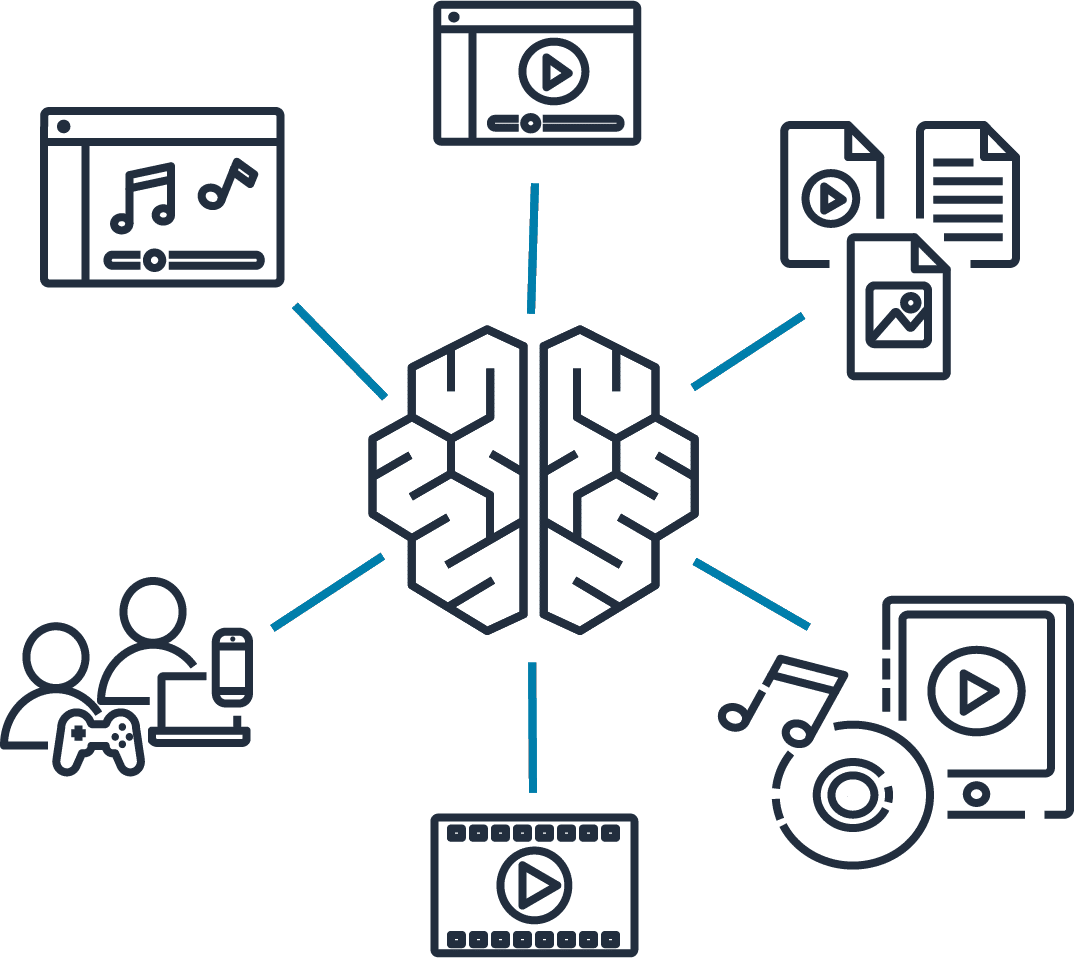
AI contributes to media and entertainment in the following ways:
- Content generation: AI can create scripts, dialogues, or even complete stories for films, TV shows, and games.
- Virtual reality: AI can create immersive and interactive virtual environments for games or simulations.
- New generation: AI can generate articles or summaries based on raw data or events.
Retail
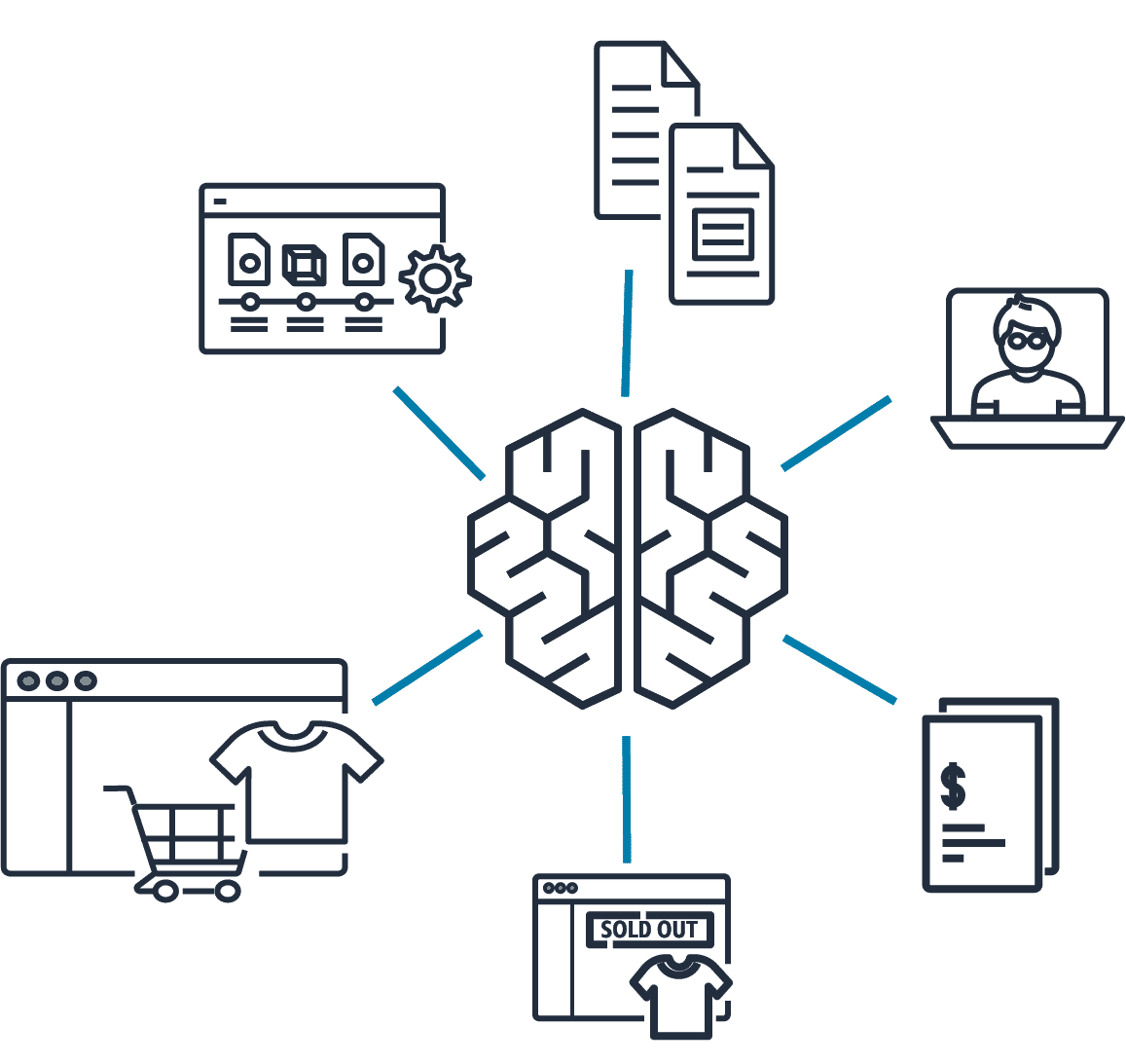
AI contributes to retail in the following ways:
- Product review summaries: AI can generate review summaries for products so consumers can quickly find pertinent information.
- Pricing optimization: AI can model different pricing scenarios to determine optimal pricing strategies that maximize profits.
- Virtual try-ons: AI can generate virtual models of customers for virtual try-ons, which can improve the online shopping experience.
- Store layout optimization: AI can generate the most efficient store layouts to improve the customer shopping experience and boost sales.
Healthcare
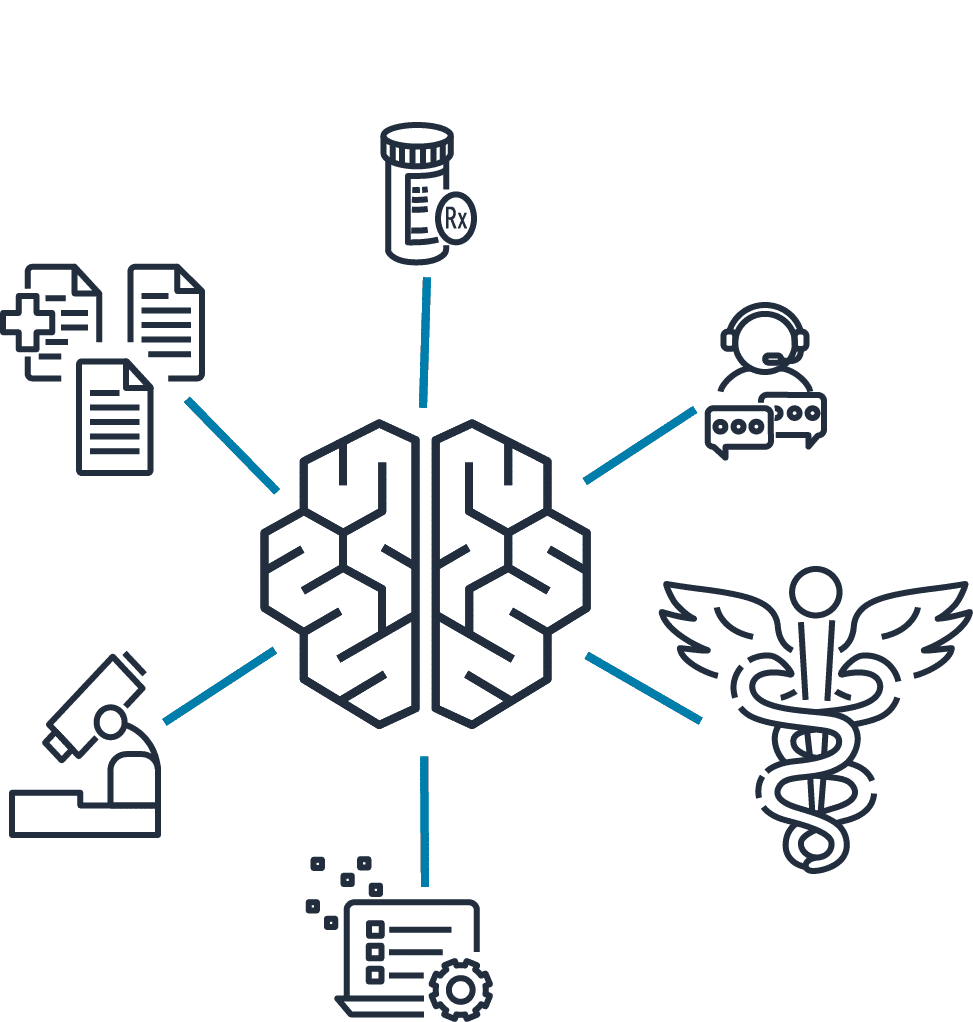
AI contributes to healthcare in the following ways:
- AWS HealthScribe: This AWS service empowers healthcare software vendors to build clinical applications that automatically generate clinical notes by analyzing patient-clinician conversations.
- Personalize medicine: By generating treatment plans based on a patient's specific genetic makeup, lifestyle, and disease progression, AI can contribute to more effective, personalized care.
- Improve medical imaging: AI can enhance, reconstruct, or even generate medical images, like X-rays, MRIs, or CT scans, which can aid in better diagnosis.
Life sciences
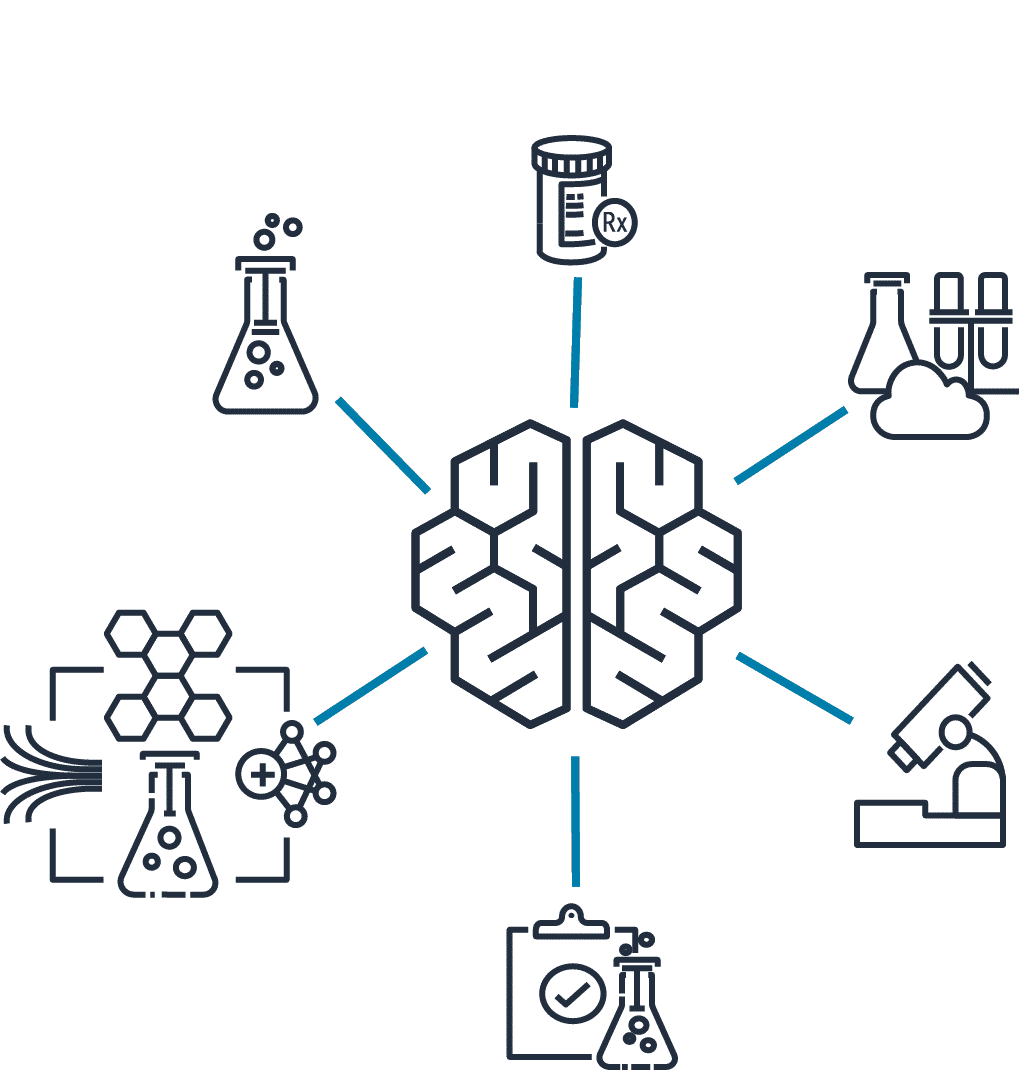
AI contributes to life sciences in the following ways:
- Drug discovery: AI can generate new potential molecular structures for drugs and accelerate the process of drug discovery and reducing costs.
- Protein folding prediction: AI can predict the 3D structures of proteins based on their amino acid sequence, which is crucial for understanding diseases and developing new therapies.
- Synthetic biology: AI can generate designs for synthetic biological systems, such as engineered organisms or biological circuits.
Financial services
AI contributes to financial services in the following ways:
- Fraud detection mechanisms: AI can help create synthetic datasets to improve AI and ML systems by simulating various money-laundering patterns.
- Portfolio management: AI can simulate various market scenarios and help in the creation and management of robust investment portfolios.
- Debt collection: AI can generate the most effective communication and negotiation strategies for debt collection to increase the rate of successful collections.
Manufacturing

AI contributes to manufacturing in the following ways:
- Predictive maintenance: By analyzing historical production data, AI can predict maintenance schedules that will provide the most efficient machine outputs and reduce downtimes.
- Process optimization: AI can generate the most efficient production processes by modeling different scenarios and optimizing for variables such as cost, time, resource usage, and so forth.
- Product design: AI can be used to create new product designs based on set parameters and constraints. It can generate multiple design options and optimize for factors like cost, materials, performance, and so forth.
- Material science: AI can help generate new material compositions with desired properties.
Next, you will review examples of applications used to create AI solutions.